Adaptive Algorithms Behind Dynamic Payline Adjustments in Mobile Slot Offerings
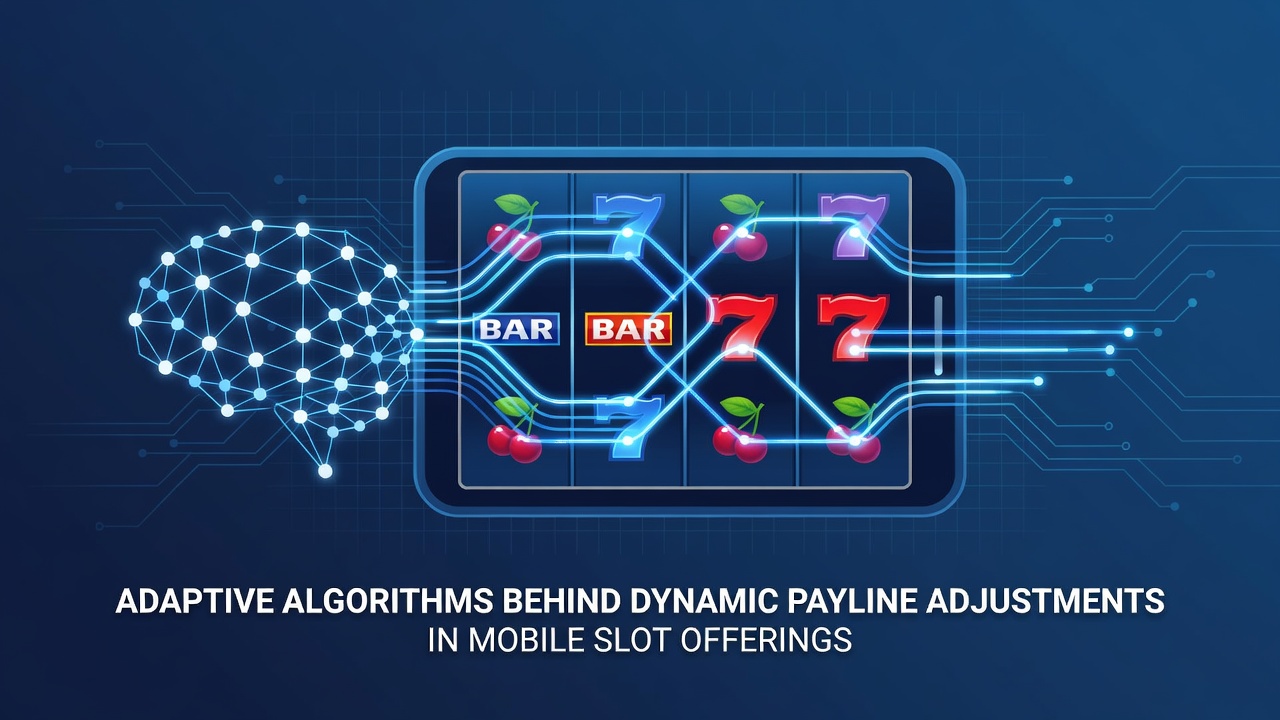
Dynamic payline adjustments in mobile slot offerings rely on adaptive algorithms that process real-time inputs from device sensors, player interaction patterns, and session data to modify winning line configurations on the fly. These systems draw from machine learning models trained on large datasets of spin outcomes and user behavior, allowing the software to recalibrate payline structures without interrupting gameplay. Observers note that such adjustments often occur in response to factors like screen orientation changes, touch pressure variations, and network latency measurements collected during active sessions.
Core Mechanisms Driving Payline Adaptation
At the foundation of these adjustments sit decision trees combined with reinforcement learning loops that evaluate each spin's context against historical benchmarks. The algorithm assigns weights to variables including bet size, previous win frequency, adn mobile device specifications before determining whether to expand, contract, or reroute active paylines. Studies from the University of Nevada's gaming technology research group indicate that these models can process over 500 variables per second on standard smartphone hardware, maintaining performance consistency across different operating systems.
Developers integrate edge computing techniques so that much of the computation happens locally on the device rather than relying solely on server round-trips. This setup reduces delays when paylines shift mid-session, particularly during rapid spin sequences. Data from Canadian regulatory filings shows that operators deploying these systems report average session durations extending by 12 to 18 percent compared with static payline implementations, though exact figures vary by game title and market segment.
Real-Time Data Inputs and Processing Flows
Adaptive algorithms constantly ingest streams from gyroscopes, accelerometers, and touch event logs to detect how a player holds and interacts with the phone. When the system registers a shift to landscape mode or detects thumb fatigue patterns through repeated swipe timing, it may activate additional diagonal or clustered paylines to maintain engagement levels. Researchers at the Technical University of Berlin documented similar sensor-driven adaptations in a 2025 paper examining European mobile gaming platforms, noting that the models prioritize battery efficiency by throttling non-essential calculations during low-power states.
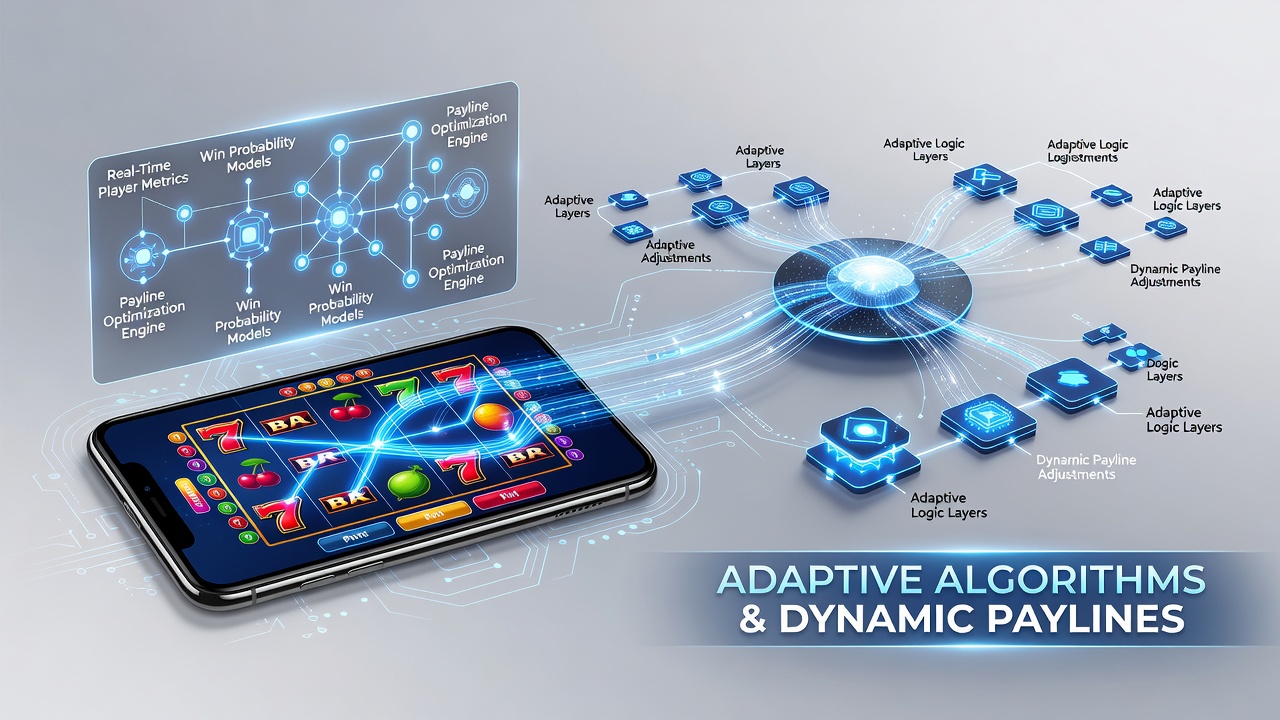
Server-side components handle broader pattern recognition across thousands of concurrent users, feeding aggregated insights back to individual devices for personalized tuning. This hybrid approach allows smaller adjustments to occur instantly while larger structural changes, such as introducing entirely new payline clusters, receive validation from centralized analytics engines. Industry reports compiled by the International Association of Gaming Regulators highlight that compliance checks for these dynamic systems now incorporate mandatory audit trails logging every payline modification with millisecond timestamps.
Implementation Examples Across Mobile Platforms
One major studio implemented a payline adaptation layer that responds to volatility preferences inferred from early session spins, gradually introducing more complex line patterns as the algorithm detects sustained play. Another case involves regional testing in Australia where operators adjusted payline density based on connection quality data, reducing active lines during high-latency periods to prevent desync issues. These examples illustrate how the same underlying algorithmic framework adapts to both user behavior and technical constraints without requiring manual intervention from players.
Testing protocols for June 2026 updates emphasize stress scenarios involving simultaneous device rotations and rapid bet changes, ensuring the algorithm maintains fairness metrics while executing payline shifts. External audits verify that random number generation remains independent from the adaptation logic, preserving regulatory standards across jurisdictions.
Conclusion
Adaptive algorithms continue to shape how mobile slot offerings manage payline configurations through layered processing of sensor data, behavioral signals, and performance metrics. As mobile hardware advances and regulatory frameworks evolve, these systems are expected to incorporate additional variables such as biometric feedback from wearable integrations in future iterations. The documented outcomes from multiple regions demonstrate measurable impacts on session metrics and technical stability when these algorithms operate within established compliance boundaries.