Audio Cues and Choice Dynamics in Mobile High-Volatility Slot Bonuses
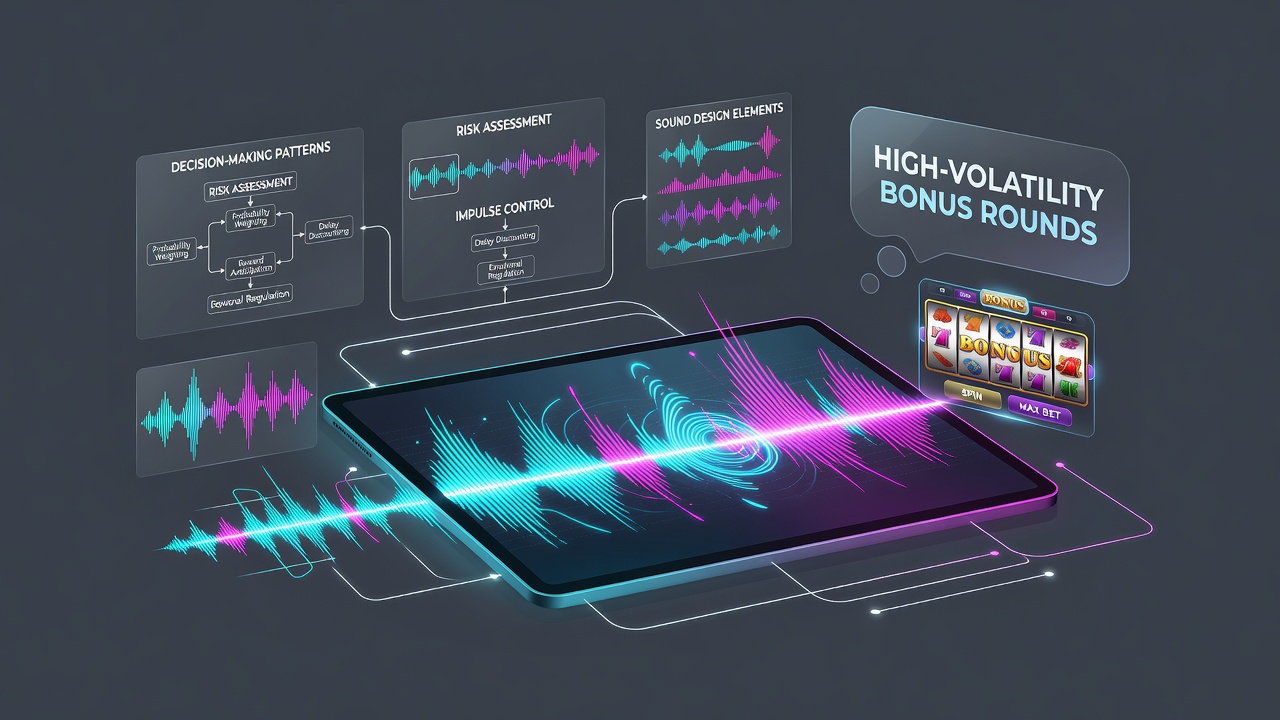
Sound design in digital slot games operates through layered audio tracks that include background tracks, trigger chimes, and escalating intensity markers, and researchers have documented how these elements interact with player decision sequences during bonus rounds on handheld devices. Studies from institutions like the University of Nevada Reno's gaming research division show that audio frequency shifts often coincide with changes in bet sizing and feature selection timing, particularly when volatility settings push payout distributions toward infrequent but larger outcomes. Data collected across multiple device platforms indicates that players respond to rising pitch layers by extending session durations in bonus phases, while sudden audio drops correlate with quicker exits or reduced stake adjustments.
Core Components of Slot Audio Architecture
Developers build slot soundscapes using modular systems that assign distinct frequency ranges to base game loops versus bonus activations, and portable hardware constraints force compression techniques that alter how those frequencies reach the listener. Mobile chipsets handle simultaneous audio streams differently than stationary consoles, which means spatial panning effects and dynamic range compression become more pronounced during high-volatility sequences where multiple reel outcomes stack rapidly. Industry reports from the Australian Institute of Criminology note that these technical limitations can heighten the salience of certain cue types, such as short percussive hits that mark near-miss events, thereby influencing the speed at which users commit to next-action selections on touch interfaces.
High-Volatility Bonus Structures on Portable Screens
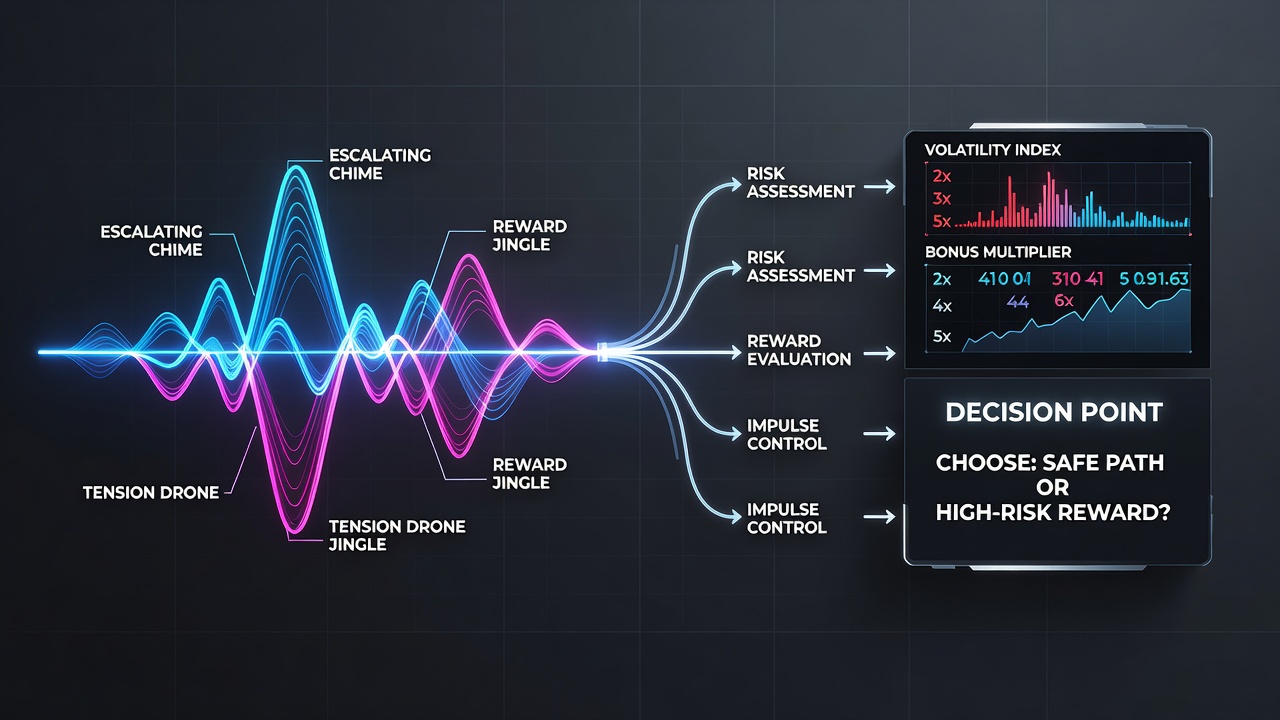
High-volatility bonus rounds typically feature extended free-spin cycles or multiplier ladders that activate after specific symbol alignments, and touch-screen interactions require players to confirm entries or select paths within tight time windows. Observers note that audio cues marking entry into these rounds often employ low-frequency builds followed by abrupt high-frequency releases, patterns that align with documented shifts in decision latency across user cohorts. Portable device sensors record gesture velocity changes that researchers link to concurrent audio intensity peaks, suggesting the sound environment contributes measurable timing variations in how selections occur during chained feature sequences.
Decision-Making Patterns Under Audio Influence
Players exhibit measurable differences in risk tolerance when audio layering intensifies during bonus progression, and eye-tracking data paired with touch logs reveal that sustained tonal clusters prompt more frequent stake increases compared with muted intervals. Reports compiled by the National Council on Problem Gambling indicate that these patterns hold across age groups when sessions occur on phones rather than tablets, partly because smaller screen real estate compresses visual feedback and elevates reliance on auditory signals. Those studying mobile gambling interfaces find that decision trees narrow when bonus audio incorporates rhythmic repetition, leading to more repetitive selection behaviors rather than exploratory path choices.
Device-Specific Variables and Audio Delivery
Operating system audio pipelines on major mobile platforms apply distinct normalization rules that can attenuate or boost certain frequency bands during extended play, and these adjustments interact with game engine outputs in ways that alter perceived urgency. Battery-saving modes further modify latency between audio event triggers and haptic feedback, which researchers associate with altered pacing in bonus round selections. Data gathered from field tests in multiple regions shows that users on devices with superior speaker arrays maintain longer engagement windows when high-volatility audio swells occur, whereas lower-fidelity hardware correlates with earlier termination of bonus chains.
Empirical Observations from Recent Analyses
Analyses conducted through mid-2026 continue to track how audio-triggered dopamine responses map onto touch-screen choice points, and preliminary figures reveal consistent correlations between specific cue durations and subsequent bet-multiplier selections. Cross-platform comparisons demonstrate that games employing adaptive audio, which scales with current volatility state, produce tighter clustering of decision timestamps than fixed-sound implementations. Those examining portable gaming logs report that retrigger opportunities accompanied by distinct audio motifs generate higher continuation rates than identical mechanics presented without sonic differentiation.
Integration of Haptic and Visual Layers with Sound
Modern mobile titles synchronize vibration patterns with audio transients during bonus escalations, creating multimodal signals that studies link to accelerated confirmation clicks on selection screens. When these combined cues arrive in rapid succession, decision intervals shorten measurably according to aggregated session metrics, yet the same data sets show that isolated audio events without haptic pairing extend deliberation periods. Device manufacturers continue refining API access for game developers, allowing finer control over how sound, vibration, and screen updates align during high-volatility sequences on varied hardware profiles.
Conclusion
Current evidence positions sound design as an active variable within the decision architecture of high-volatility mobile bonus rounds, with measurable ties to selection timing, stake adjustments, and session persistence across portable platforms. Continued monitoring by academic and regulatory bodies will clarify how evolving audio delivery standards interact with player behavior patterns in this segment of digital gaming.