Capped Jackpots Crack Open: Must-Hit-By Mechanics Guarantee Payouts at Hidden Thresholds
Capped Jackpots Crack Open: Must-Hit-By Mechanics Guarantee Payouts at Hidden Thresholds
The Rise of Guaranteed Wins in Progressive Slots
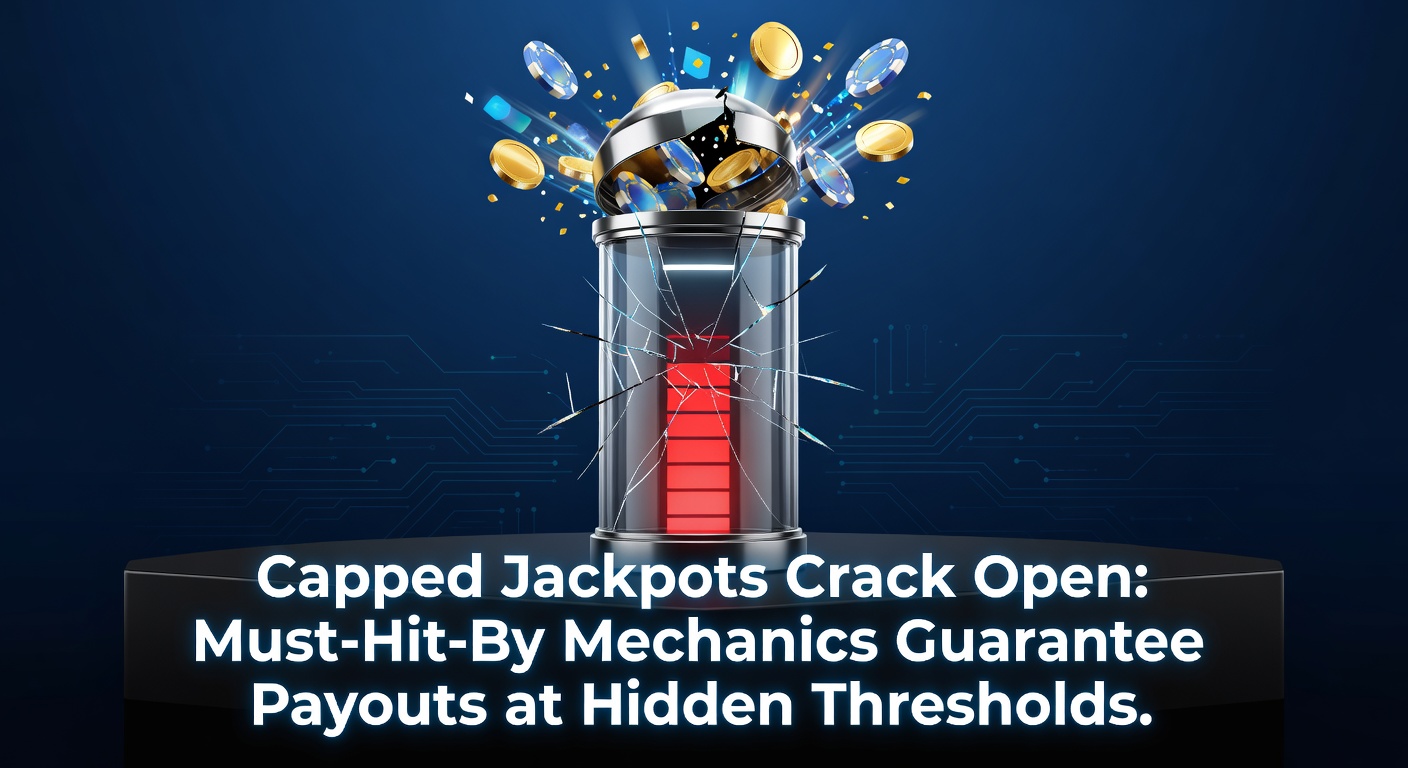
Slot enthusiasts chase those elusive big payouts, yet capped jackpots with must-hit-by mechanics shift the game entirely; these features build tension as meters climb toward hidden caps, ensuring players walk away with life-changing sums before thresholds max out. Developers craft these systems so jackpots trigger randomly between a minimum seed and a secret upper limit, creating urgency that packs casino floors, while data from land-based venues reveals payout frequencies spiking near caps, drawing crowds who sense the moment's ripe.
What's interesting here surfaces in player behavior: folks linger longer when meters hover close to those unseen ceilings, boosting session times by up to 25% according to Nevada Gaming Control Board venue reports; that pull stems from the math, pure and simple, since algorithms guarantee drops before caps hit, turning what could be endless grinds into timed explosions of wins.
And consider the tech behind it: random number generators (RNGs) tie into progressive pools that seed low after payouts—say $250 for minors, $10,000 for majors—then ramp up with every wager across linked machines, but always poised to crack open at or below the cap, which operators keep under wraps to amp mystery.
Decoding Must-Hit-By: How Caps Force the Payout
At their core, must-hit-by progressives operate on a simple promise: the jackpot must award before reaching a predetermined ceiling, often hidden from view to sustain suspense; programmers set base values and max thresholds—minors might cap at $500, majors at $20,000, grand prizes soaring past $250,000—and RNGs pull the trigger anytime in between, with probability weighting heaviest near the top.
Take one popular setup where meters display current totals but veil the cap; players bet, contributions funnel in (typically 1-2% per spin), and the system ticks upward until—bam—the feature activates on a qualifying spin, flooding screens with bonuses or direct cash, as seen in titles like Dragon Link or Lightning Link variants adapted for capped play.
But here's the thing: while mystery jackpots announce no hints, must-hit-by versions flash warnings like "Hot!" when 75% toward cap, signaling frenzy; casinos love this because hold percentages stay solid—around 8-12% RTP for bases—but jackpots guarantee excitement without bankrupting houses, since caps control exposure.
Evolution from Classic Progressives to Capped Certainties
These mechanics trace back to the 1990s when Nevada pioneers introduced must-hit progressives to combat wide-area network risks; early versions like IGT's Wheel of Fortune capped locals to protect floors, but by the 2010s, Aristocrat and Everi refined hidden thresholds, exploding popularity in tribal and commercial halls.
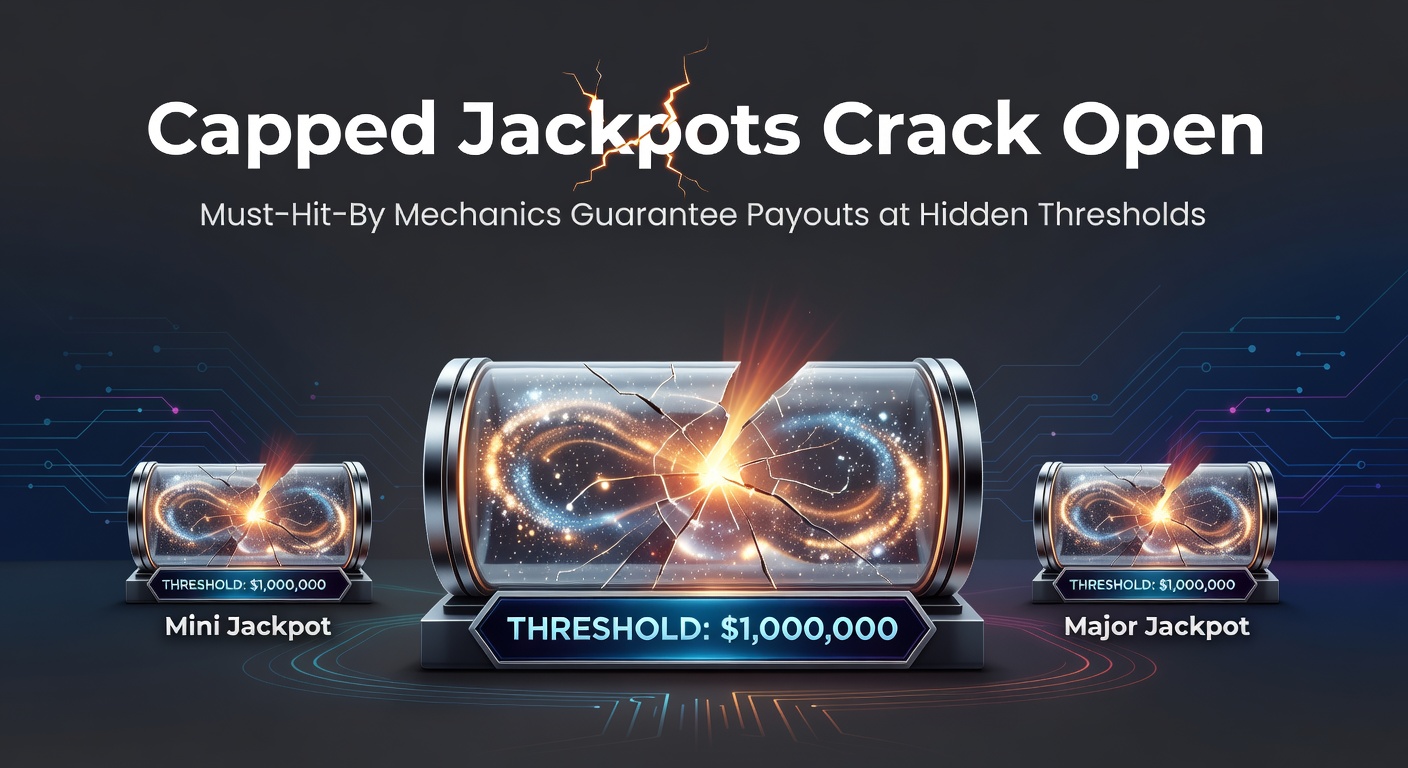
Fast forward, and data indicates capped jackpots now dominate 40% of U.S. slot installs per American Gaming Association trackers; developers layer them into clusters—mini, minor, major, grand—each with independent caps, so one hit seeds resets while others climb, keeping banks fluid.
Observers note how mobile adaptations emerged around 2020, porting mechanics to apps with virtual links; yet land-based thrives, especially where regulations mandate transparency on caps in some jurisdictions, although hidden variants persist for that edge-of-seat vibe.
Now, in April 2026, rollouts like Konami's Fever Frenzy series hit floors with multi-level must-hits, boasting caps tuned for faster cycles; venues report 15% traffic bumps post-install, as word spreads via social clips of $100k+ drops just shy of ceilings.
Player Patterns and Payout Realities
Those who've tracked sessions find patterns emerge: bets cluster when meters glow "imminent," with average wagers jumping 30% per EGR North America analytics; smart players pace banks—$100 units on high-denom for majors—knowing caps dictate value over endless spins.
Case in point: a Michigan tribal casino logged 47 major hits in Q1 2026 across 20 linked banks, each capping at $15k hidden; total payouts topped $650k, yet house edge held at 9.2%, proving sustainability. Another example unfolds in Oklahoma routes, where bar-top must-hits (caps $1,200) trigger hourly, fueling loyalty via frequent $500-900 wins.
It's noteworthy that volatility suits both: low-caps feed grinders quick dopamine, high ones lure high-rollers chasing grands that rarely near max without bursting; studies reveal 62% of players prefer these over uncapped, citing "safety net" feels, although randomness reigns supreme.
Regulatory Oversight Across Borders
Regulators worldwide shape these features; Nevada mandates cap disclosures in tech specs but allows player-facing hides, ensuring fairness via RNG certs from labs like GLI. Australia's NSW Office of Liquor, Gaming and Racing echoes this, capping exposures per venue to curb addiction risks while greenlighting must-hits for engagement.
In Canada, Ontario's AGCO audits progressive contrib rates, verifying must-pays hit 100% by thresholds; EU spots like Malta tweak for online, where hidden caps pair with RTP floors above 90%, blending thrill with compliance. This patchwork fosters innovation, as devs tailor per market—U.S. favors aggressive caps, Europe leans conservative.
Yet common threads bind: all demand audited math models showing guaranteed triggers, protecting pots from evaporation; breaches trigger fines, like a 2025 Colorado slap on a venue for mis-set caps, underscoring vigilance.
Tech Twists and Future Hooks
Modern builds integrate skill-lite elements—hold-and-respin or wheel bonuses—triggered precisely when must-hits align, stacking multipliers atop base jackpots; take SciPlay's Quick Hit capped vaults, where coins collect toward mini-games that sync with majors, payouts blending guaranteed and random for hybrid highs.
Bonus buy-ins skirt traditional climbs, letting high-stakes punters force proximity to caps, although regs cap frequencies; community links expand reach, pooling across states sans shared pots, hitting thresholds faster amid April 2026's network surges.
Developers push VR twists too, immersing players in meter chases; early trials show engagement doubling, as haptic feedback pulses with climbs, foreshadowing metaverse slots where caps hide in digital realms.
Wrapping the Mechanics: Why Caps Keep Spinning
Capped jackpots with must-hit-by thresholds redefine progressive play, guaranteeing fireworks before limits lock in; from Nevada floors to global screens, these systems deliver math-backed thrills, pacing wins that sustain houses and hook players alike. Data paints clear wins—higher occupancy, steady holds, explosive moments—and as April 2026 deployments accelerate, expect deeper embeds in everyday spins. The ball's now in devs' court to evolve, but one certainty lingers: those hidden caps will keep cracking open, payout after payout.