Precision Audio Alignment in Mobile Jackpot Reel Systems on Licensed British Platforms
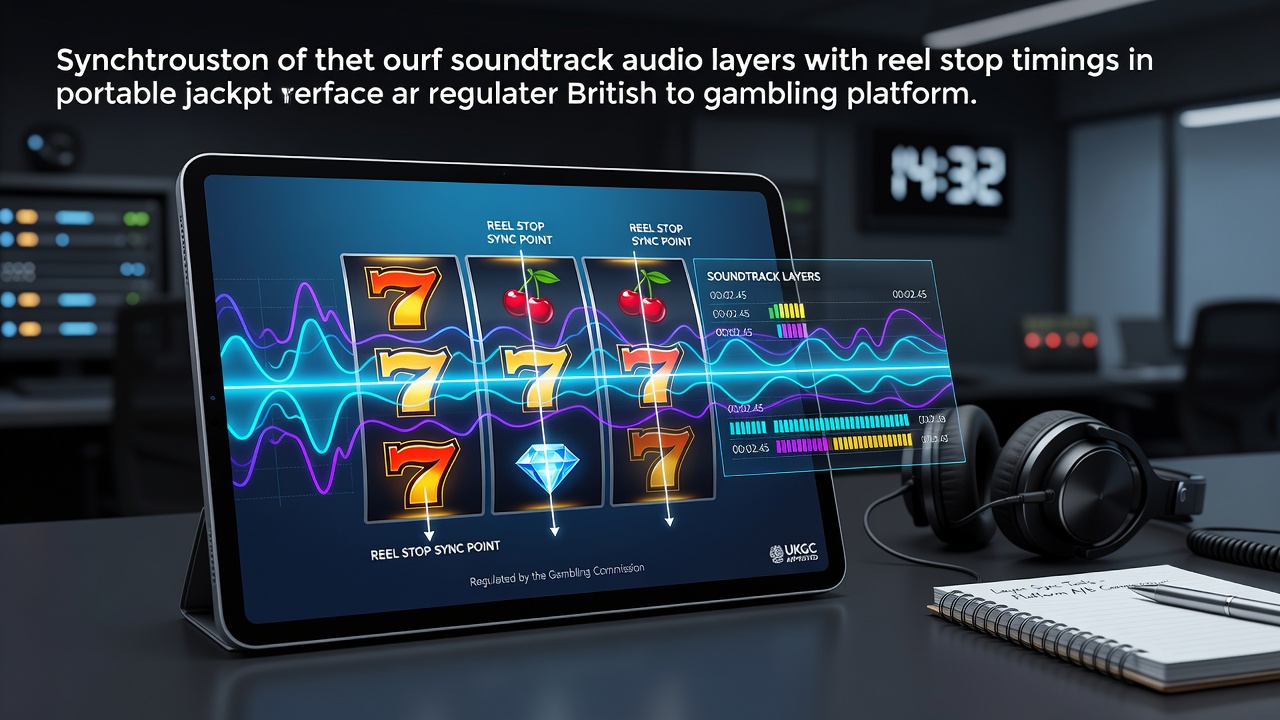
Soundtrack layers in portable jackpot interfaces on regulated British platforms rely on exact timing coordination with reel stop sequences, and developers program these elements to trigger specific audio stems at millisecond intervals when reels halt. Multiple audio tracks run simultaneously, including base game loops, tension builds, and jackpot alerts, while each layer activates only when the reel position matches predefined stop codes embedded in the game engine.
Core Synchronization Protocols
Game studios embed timing markers directly into the reel stop data streams, so when a reel lands on a jackpot symbol the corresponding audio stem shifts from ambient background to a dedicated cue without overlap or delay. This process uses frame-accurate clocks that align with the device's refresh rate, and operators test these alignments across iOS and Android platforms to maintain consistency under variable network conditions. Data from platform audits shows that synchronization windows typically fall within 16 milliseconds, which prevents audible glitches during rapid spin sequences.
Layer Management in Jackpot Triggers
Each soundtrack layer carries independent volume curves and frequency filters that adjust the moment a reel stops, and programmers assign priority flags so jackpot notification stems override lower-priority tracks without cutting them abruptly. In practice this means the base music fades by 3 to 6 decibels while the alert layer rises, creating a smooth transition that players experience as a single continuous soundscape. Regulated platforms require these transitions to meet strict latency thresholds documented in technical standards issued by multiple European gaming authorities.
Portable devices introduce additional variables because processor load and battery state can shift audio buffer timing, yet developers compensate by preloading critical stems into device memory before each spin cycle begins. Observers note that successful implementations keep audio and visual events locked even when the handset switches between Wi-Fi adn mobile data mid-session.
Technical Implementation Across Devices
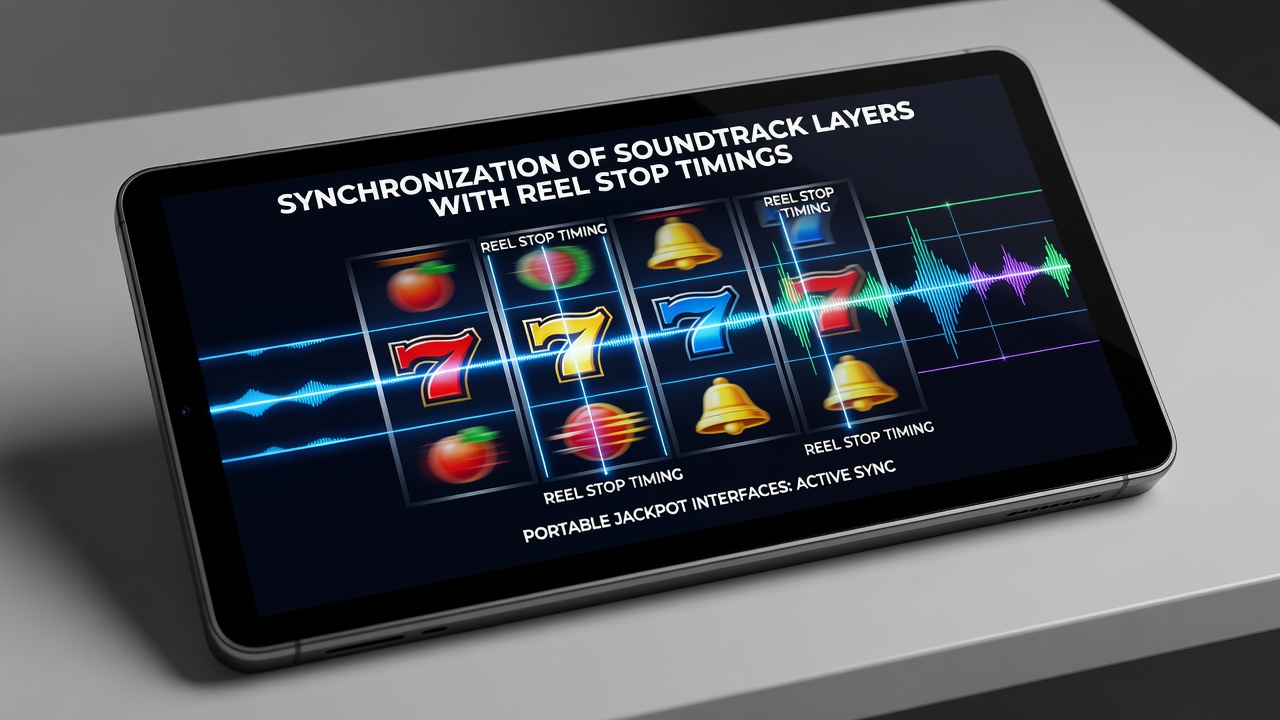
Engineers map reel stop positions to audio event IDs using lookup tables that update dynamically based on bet size and progressive meter levels, and these tables reside in encrypted game files that undergo third-party verification before release. When a reel stops on a winning combination the system cross-references the stop code against the table and queues the correct soundtrack layer within the same processing frame. August 2026 brought firmware updates to several popular handsets that improved audio hardware scheduling, allowing tighter synchronization windows without increasing power draw.
Testing regimes include automated scripts that simulate thousands of reel stop combinations while monitoring audio output through digital signal analysis tools, and any deviation beyond the permitted tolerance triggers a full review cycle. Industry reports compiled by the European Gaming and Betting Association indicate that platforms passing these checks maintain player session integrity across extended play periods.
Regulatory Compliance and Platform Standards
British licensed operators must demonstrate that audio-reel synchronization does not create misleading impressions of game outcomes, which means every soundtrack change must correspond exactly to the mathematical result already determined by the random number generator. Compliance documentation requires timestamped logs of every audio event paired with the matching reel stop data, and these records remain available for regulatory inspection. A research paper published by the University of Nevada, Reno examined similar timing protocols in North American markets and found comparable latency requirements help preserve fairness across jurisdictions.
Portable interfaces add the further requirement that synchronization survives interruptions such as incoming calls or operating system notifications, so developers incorporate resume functions that restore both audio and visual states without desynchronization. Those who manage platform certification note that successful submissions include side-by-side comparisons of desktop and mobile builds to confirm parity in timing accuracy.
Future Developments in Audio-Reel Integration
Emerging standards explore adaptive soundtrack layering that responds to individual device acoustic profiles, allowing the same game to sound balanced whether played through earbuds or built-in speakers. Early trials conducted on select British platforms show these adjustments occur in real time by measuring output levels during the first few spins and then applying corrective filters before jackpot sequences begin. Such refinements remain subject to the same strict timing rules that govern current implementations.
Conclusion
The synchronization of soundtrack layers with reel stop timings continues to evolve as hardware capabilities advance and regulatory expectations tighten, and the result is a consistent audio-visual experience delivered across all regulated portable jackpot interfaces on British platforms. Accurate timing remains central to both technical performance and compliance obligations.