Revealing Probability Thresholds Governing Feature Engagements in Linked Reward Systems
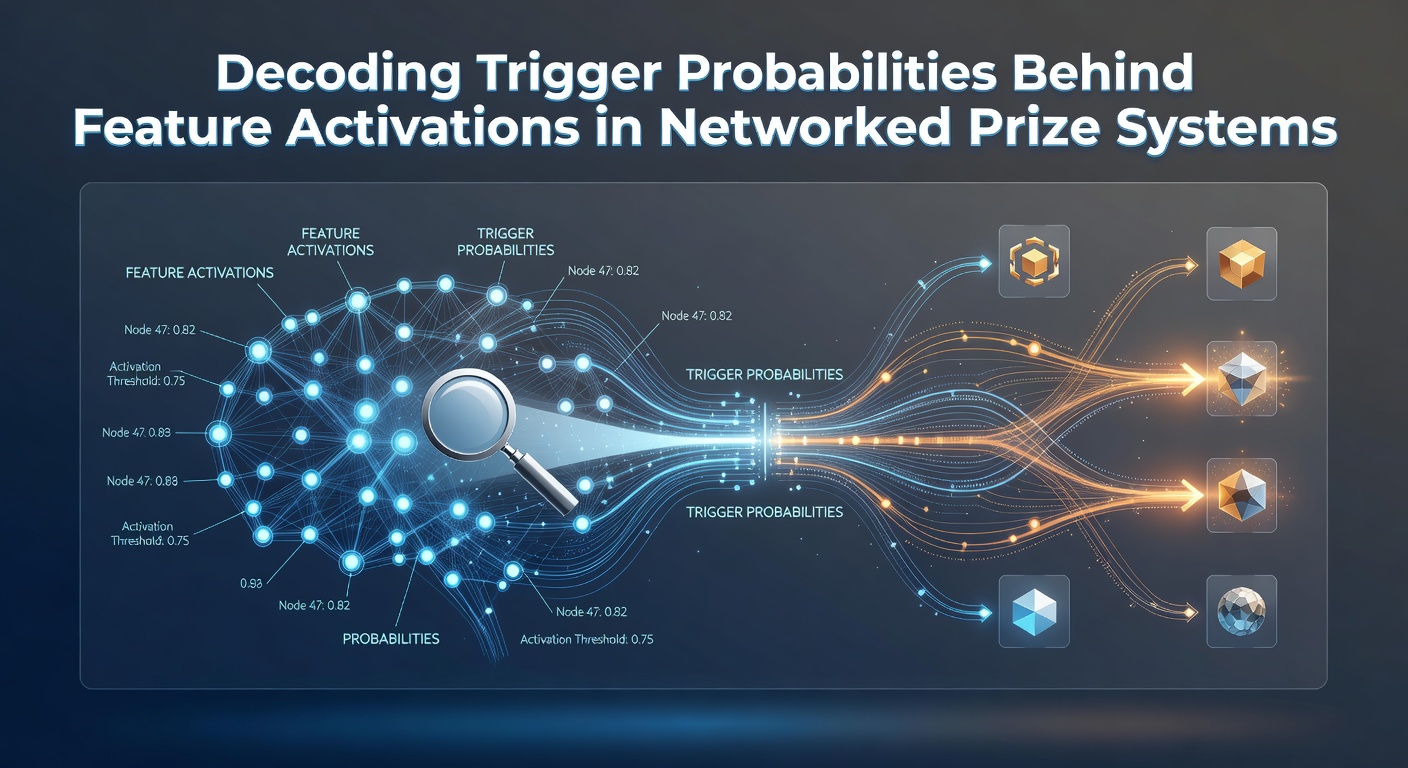
Networked prize systems connect multiple gaming terminals across locations so that feature activations depend on shared probability pools rather than isolated random number generators, and this structure changes how operators calculate the likelihood of bonus events occurring at any single machine. Data from regulatory filings indicate that these systems pool contribution rates from each connected device while the central server adjusts trigger thresholds in real time based on aggregate play volume.
Core Architecture of Networked Prize Platforms
Engineers design these platforms around a central controller that receives incremental contributions from every linked terminal and maintains a running meter for each available feature, while local machines continue to generate independent base-game outcomes. The controller releases a feature only after the accumulated probability mass reaches a predefined threshold, which means individual players experience activations at rates that reflect both their own session length and the collective activity across the entire network.
Operators typically set base trigger probabilities between 0.0008 and 0.0035 per spin for major features, yet the actual observed frequency varies because the network recalibrates remaining probability after each non-triggering spin. Researchers at the University of Nevada Reno documented how this recalibration maintains long-term return-to-player targets even when player volume fluctuates across different time zones.
Calculating Trigger Likelihoods
Probability models for these systems combine a fixed base rate with a dynamic multiplier derived from current meter level and elapsed time since the last activation, and analysts express the combined value through the formula P(activation) = BaseRate × (MeterFactor + TimeDecay). MeterFactor increases linearly with each contribution while TimeDecay applies an exponential discount that resets upon feature release, ensuring the system never exceeds its designed payout frequency over extended periods.
Testing laboratories verify these calculations by simulating millions of spins across virtual network configurations before any hardware receives certification, and results show that variance in activation timing stays within regulatory tolerances when contribution percentages remain between 0.5 and 2 percent of each bet.
Observed Patterns in Live Deployments
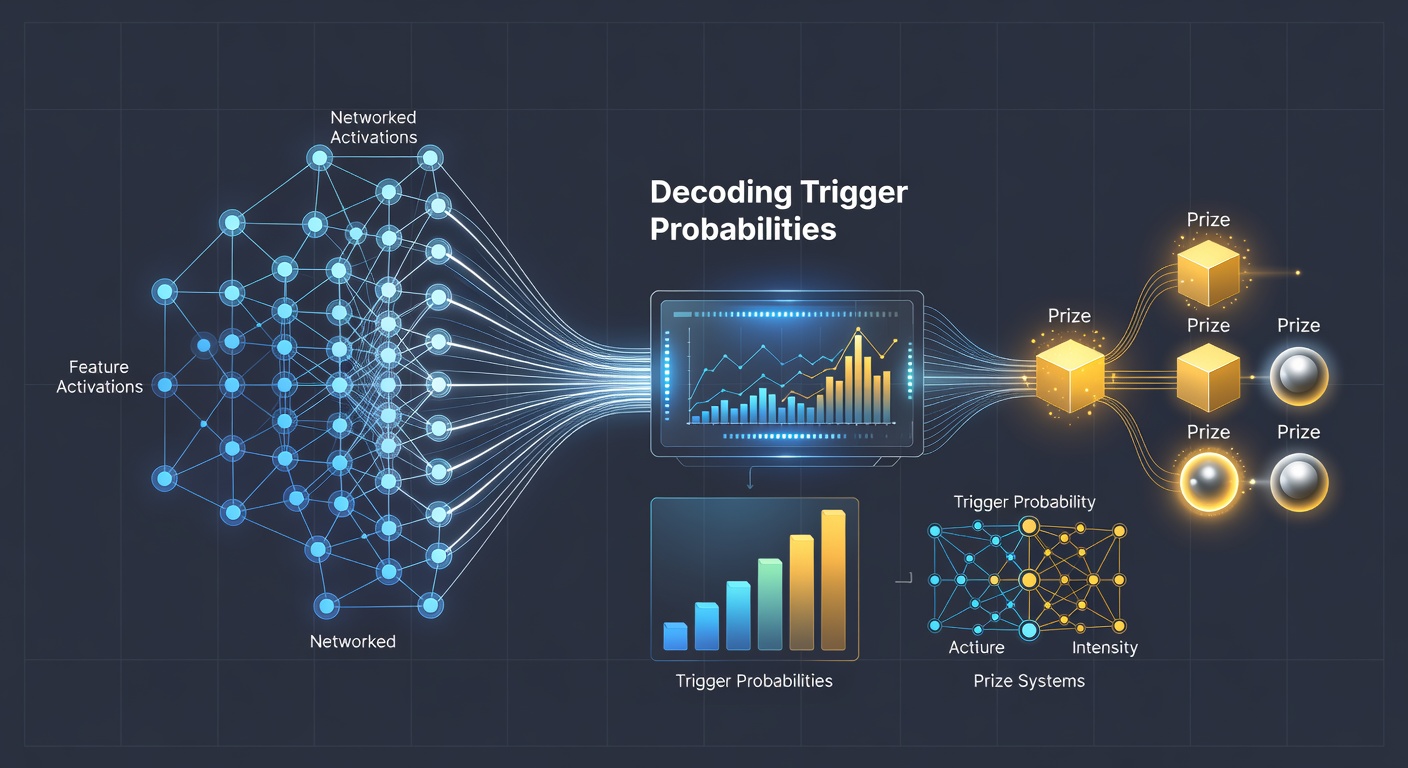
Operators in North American jurisdictions report that networked features activate most frequently during peak evening hours when terminal counts exceed 300 connected devices, yet the per-player probability remains statistically stable because the central controller scales the required threshold proportionally to current participation. A 2025 technical paper from the Canadian Gaming Association examined twelve live networks and found that the median time between major feature releases ranged from 42 to 67 minutes under normal load conditions.
Smaller networks with fewer than 50 terminals exhibit longer intervals between activations, and the same study noted that these configurations often incorporate supplemental time-based triggers to prevent player frustration during low-volume periods. Data collected through June 2026 continues to confirm that hybrid time-and-contribution models keep observed frequencies within 3 percent of theoretical targets across seasonal demand shifts.
Regulatory Oversight and Certification Standards
Authorities in multiple regions require independent verification of trigger algorithms before deployment, and testing protocols include both mathematical audits of the probability engine and live monitoring of actual activation logs for the first six months of operation. The Nevada Gaming Control Board publishes quarterly summaries that compare certified trigger rates against recorded events, providing operators with benchmarks for system tuning.
Similar requirements exist under the Australian Gambling Research Centre guidelines, which emphasize transparency in how networks disclose the relationship between contribution size and activation odds to players. Compliance reports indicate that networks meeting these standards maintain player trust metrics above industry averages.
Future Developments in Probability Management
Developers now explore machine-learning adjustments that predict participation surges and pre-adjust thresholds accordingly, while still preserving the certified mathematical fairness of each feature. Early trials conducted in controlled environments demonstrate that such predictive layers can reduce activation clustering by up to 18 percent without altering long-term payout percentages.
These refinements remain subject to the same rigorous certification processes applied to earlier generations of networked systems, ensuring that any algorithmic enhancement undergoes full probabilistic validation before reaching operational terminals.
Conclusion
Networked prize systems achieve their operational goals by distributing trigger probability across shared meters while local terminals retain independent base-game logic, and ongoing certification together with regional oversight keeps activation frequencies aligned with published parameters. Continued monitoring through 2026 and beyond will determine how emerging predictive tools integrate with these established frameworks without compromising verified fairness standards.