Rules Governing New Mechanics in Britain's Mobile Slot Games
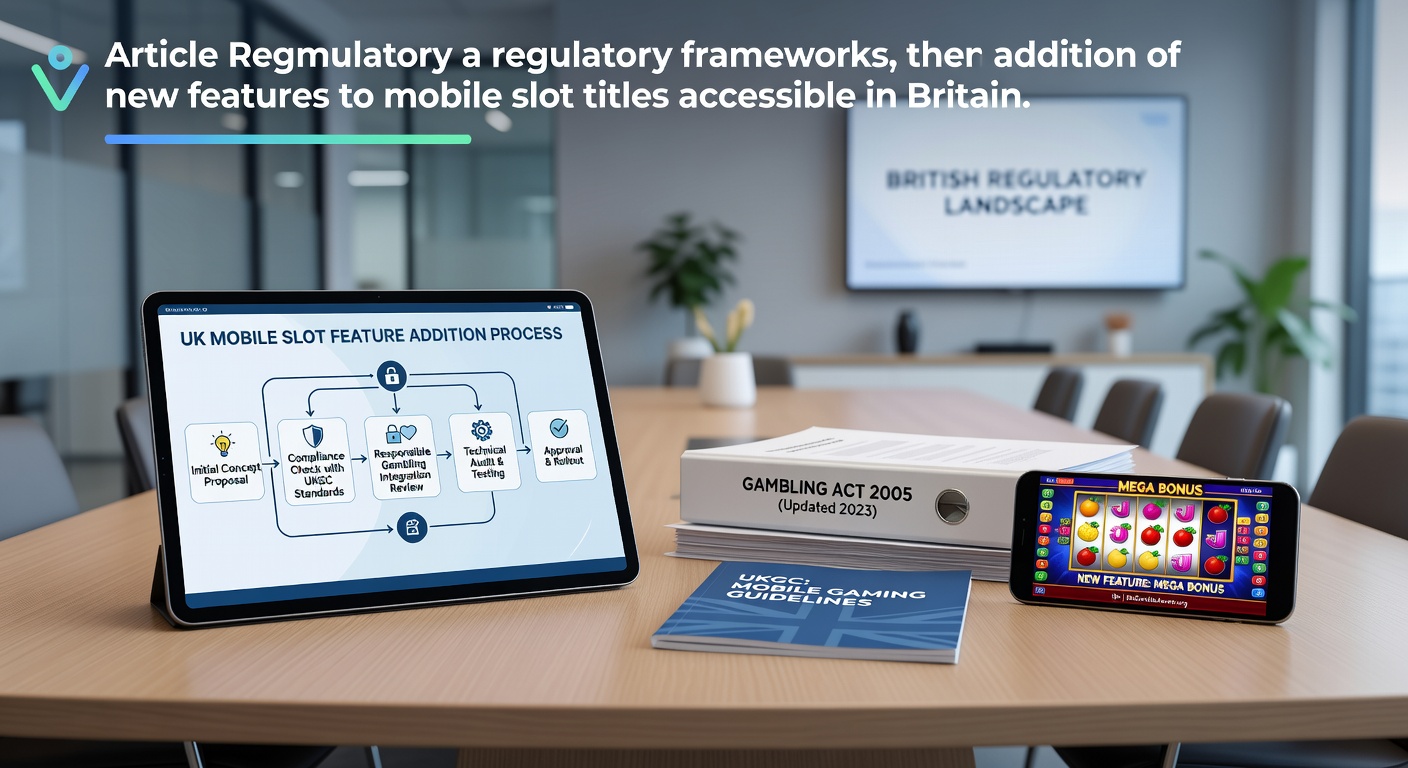
British regulations shape how developers introduce fresh elements into mobile slot titles, and operators must navigate these standards before any update reaches players. The process starts with licensing conditions that require all game mechanics to undergo independent testing for randomness and fairness, while new features such as expanding grids or chained multipliers receive the same scrutiny as core reel functions.
Developers submit detailed documentation outlining how each addition affects payout percentages and player interaction, and testing houses verify that outcomes remain unpredictable under established probability models. This step ensures that innovations like collection meters or linked jackpot triggers do not alter the underlying mathematics in ways that could mislead users about win frequencies.
Key Compliance Steps for Feature Integration
Once initial verification clears, operators coordinate with platform providers to implement age-gating and spending limit tools that apply uniformly across both existing and updated content. New mechanics must integrate with these safeguards without creating separate pathways that bypass responsible gaming prompts, a requirement enforced through periodic audits conducted by approved third parties.
Data from industry reports indicate that between 2024 and 2026, mobile slot updates incorporating progressive elements have increased by measurable margins, yet each iteration still follows the same approval sequence. Observers note that this consistency helps maintain uniform standards even as gameplay evolves, particularly when titles introduce cross-device synchronization for bonus rounds.
Testing Protocols and Documentation Requirements
Independent laboratories examine source code for hidden variables that might influence results based on bet size or session length, and any feature that adjusts volatility receives additional review cycles. Developers supply simulation data demonstrating long-term return-to-player figures, along wth stress tests that cover high-volume play scenarios typical of mobile sessions.
Those who've examined submission files describe them as comprehensive packages containing flowcharts, probability tables, and user interface mockups, all cross-referenced against player protection guidelines. Figures reveal that incomplete submissions often extend review timelines by several weeks, prompting studios to build compliance checkpoints into their development roadmaps from the outset.

June 2026 marks another checkpoint for several operators refreshing their mobile libraries, and the pattern shows continued emphasis on transparent disclosure of how new mechanics interact with existing jackpot structures. Updates must clearly state any changes to maximum exposure or feature frequency within game rules displayed before play begins, preventing confusion during extended sessions.
Industry Collaboration and External Benchmarks
Trade associations have compiled guidance documents that align British expectations with practices observed in other jurisdictions, offering developers reference points without duplicating local mandates. Research from organizations such as the Responsible Gambling Council highlights how feature testing correlates with reduced complaint volumes when limits and disclosures receive equal attention during rollout.
One case involved a cluster-pay mechanic that required recalibration after initial simulations showed slight deviations in near-miss presentation, and the revised version passed subsequent checks without altering core mathematics. Studios routinely share anonymized performance metrics post-launch, allowing regulators to track whether innovations maintain expected fairness thresholds over time.
Documentation Flow and Audit Cycles
Operators maintain internal records that map every feature addition to specific license conditions, and these logs become subject to random inspection. External auditors compare live game behavior against submitted models, focusing on elements like dynamic reel expansions or meter-based triggers that activate only after certain thresholds.
What's interesting is how mobile-specific constraints, such as touch-screen latency and session interruption handling, factor into the evaluation, because regulators require that interrupted spins resolve consistently regardless of device or network conditions. This attention to detail extends to visual and audio cues that accompany new bonus sequences, ensuring they do not imply guaranteed outcomes.
Conclusion
The regulatory environment continues to adapt alongside technological advances in mobile slot design, requiring ongoing dialogue between developers, testers, and oversight bodies. By embedding compliance into early design phases, the sector sustains player trust while accommodating creative expansions that remain within established boundaries. Data from multiple monitoring sources confirms that structured review processes have supported steady innovation without compromising core standards of fairness and transparency.