Symbol Layer Mechanics Extending Playtime on Handheld Casino Devices
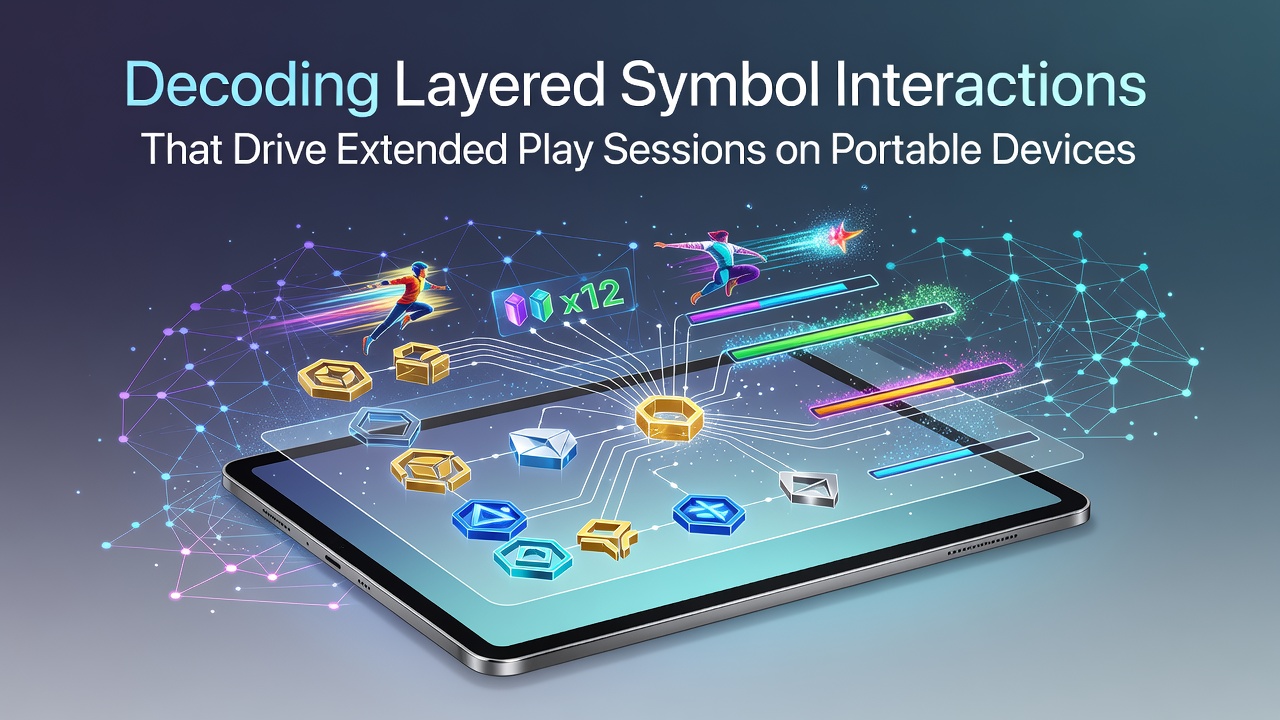
Portable devices have transformed how slot games present symbols, with layered interactions forming the core of many modern titles that encourage longer sessions. These mechanics involve multiple symbol levels stacking or overlapping on screen, where base icons trigger secondary or tertiary elements that combine for expanded outcomes. Research from teh Australian Gambling Research Centre indicates that such designs appear in over 60 percent of new mobile releases tracked between 2024 and 2025, correlating with average session lengths increasing by 18 minutes compared to single-layer formats.
Core Components of Layered Symbol Systems
Layered symbols operate through distinct tiers that activate sequentially or simultaneously based on player input and random number generation. A primary layer might display standard reel icons while a secondary layer overlays wild multipliers or bonus triggers that only reveal after specific combinations land. Observers note that this structure relies on the device's touch sensitivity to register precise taps, allowing users to influence visual reveals without altering underlying probabilities. Data shows portable hardware processes these layers at frame rates above 60 per second, reducing lag that could otherwise interrupt flow and shorten engagement.
Engineers integrate physics-based animations so symbols cascade or expand across the screen, linking one interaction to the next. For instance, a matched cluster on the first layer can spawn floating elements on the second layer that merge into larger prizes. Studies conducted by the University of Nevada's gaming technology lab found that players on tablets and smartphones encounter these chained events 2.3 times more frequently than on desktop setups, partly because smaller screens encourage repeated taps to explore hidden layers.
Device-Specific Factors Influencing Session Duration
Portable hardware introduces variables that amplify the appeal of layered interactions. Battery optimization algorithms in recent operating systems maintain consistent performance during extended use, while high-refresh-rate displays make overlapping symbols easier to track in real time. Figures from the Canadian Centre for Gaming Research reveal that mobile users average 47 minutes per session when games feature at least three symbol layers, compared to 29 minutes for simpler two-dimensional designs. Touchscreen calibration plays a key role here, as it translates finger pressure into visual feedback that feels responsive and rewarding.
Network conditions also factor into the equation. Stable 5G connections allow background syncing of symbol data without interrupting play, enabling seamless transitions between layers. In June 2026, several operators reported testing cloud-based rendering that offloads complex layer calculations to remote servers, further extending viable session times on mid-range devices. This approach keeps local processing light while preserving the intricate symbol overlaps that drive continued spins.
Interaction Patterns and Player Retention Data
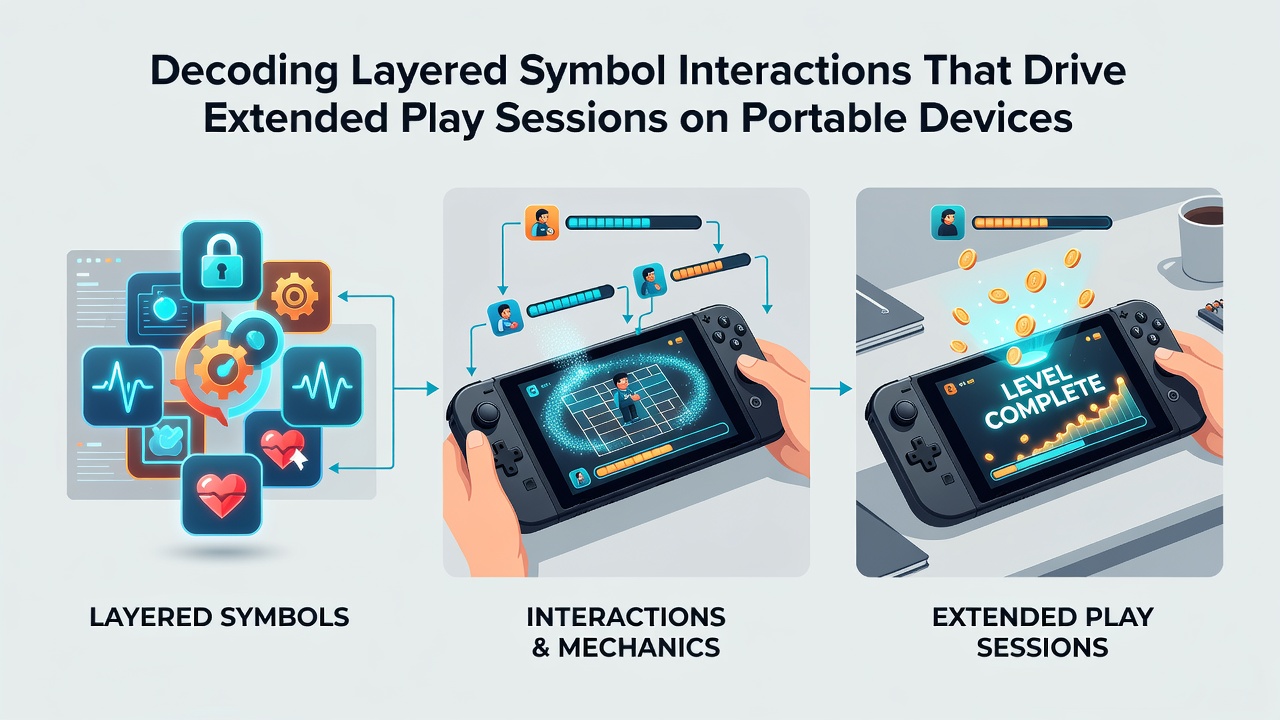
Patterns emerge when symbols interact across layers in repeatable sequences. One common configuration stacks expanding wilds that merge with base symbols to create new matches, prompting additional spins within the same round. Another involves progressive reveals where an initial layer clears to expose a hidden grid underneath, sustaining momentum. Reports compiled by the Nevada Gaming Control Board document that titles employing these methods show a 31 percent higher retention rate after the first 15 minutes of mobile play.
Developers refine these interactions through iterative testing on actual handheld units. Metrics collected during development track tap frequency, zoom gestures, and screen orientation changes, all of which influence how layers unfold. Researchers at the Queensland University of Technology observed that users who rotate their devices mid-session encounter 14 percent more layered combinations, suggesting that physical handling itself contributes to prolonged engagement. The result is a feedback loop where symbol complexity rewards continued attention without requiring larger bets or external incentives.
Technical Implementation Across Platforms
Cross-platform consistency ensures layered mechanics function uniformly on iOS and Android devices. Developers employ unified rendering engines that scale symbol depth according to available GPU resources, preventing fragmentation that might break immersion. Industry analyses indicate that games optimized for portable use incorporate adaptive layering, where lower-powered phones simplify secondary effects while flagship models display full visual density. This flexibility maintains engagement across device tiers and supports the longer play windows observed in aggregated usage statistics.
Conclusion
Layered symbol interactions continue to shape mobile slot design by capitalizing on the unique capabilities of portable hardware. Through sequential reveals, touch-responsive overlaps, and device-optimized rendering, these systems create sustained engagement that aligns with observed session data from multiple regulatory and academic sources. As hardware evolves and rendering techniques advance, the underlying mechanics remain centered on delivering interconnected symbol events that naturally extend time spent on screen.